Giới thiệu
Thị trường sản xuất linh kiện thủy lực toàn cầu đang trải qua một sự chuyển đổi đáng kể do những tiến bộ công nghệ, quy định về môi trường và sự thay đổi kỳ vọng của người mua thiết bị. Trong các lĩnh vực máy móc di động—bao gồm thiết bị nông nghiệp, máy xây dựng, phương tiện xử lý vật liệu và khai thác mỏ—hệ thống thủy lực cơ học thuần túy truyền thống đang nhường chỗ cho các giải pháp năng lượng chất lỏng nhỏ gọn, tích hợp kỹ thuật số và tiết kiệm năng lượng.
Đối với các nhà sản xuất thiết bị gốc (OEM) và giám đốc mua sắm cấp 1, việc bắt kịp xu hướng của ngành toàn cầu là điều cần thiết để duy trì nền tảng máy móc cạnh tranh. Trọng tâm đã chuyển từ tìm kiếm các linh kiện chi phí thấp sang hợp tác với các doanh nghiệp sản xuất lâu đời có khả năng mang lại hiệu quả năng lượng cao, tích hợp điện-thủy lực, giảm rủi ro ô nhiễm chất lỏng và ổn định chuỗi cung ứng lâu dài.
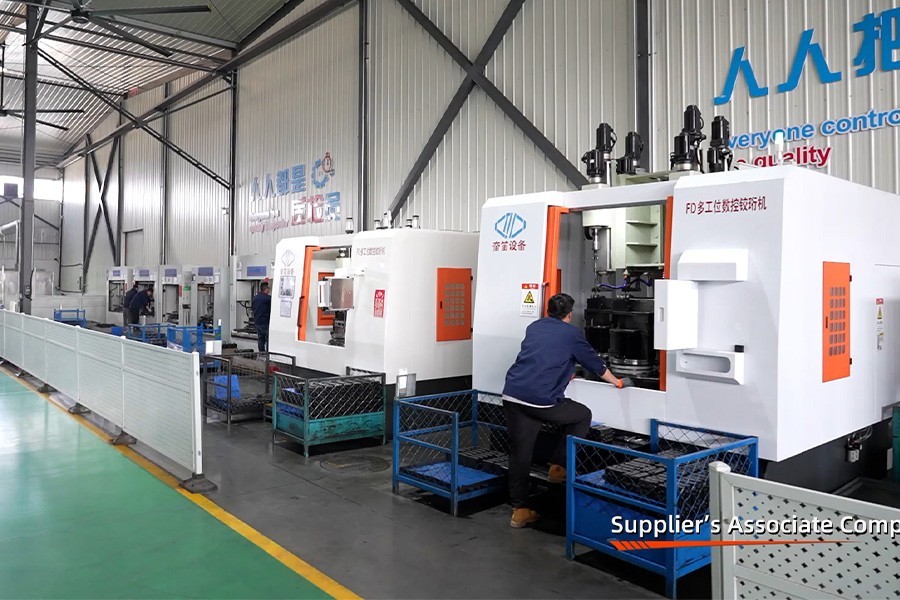
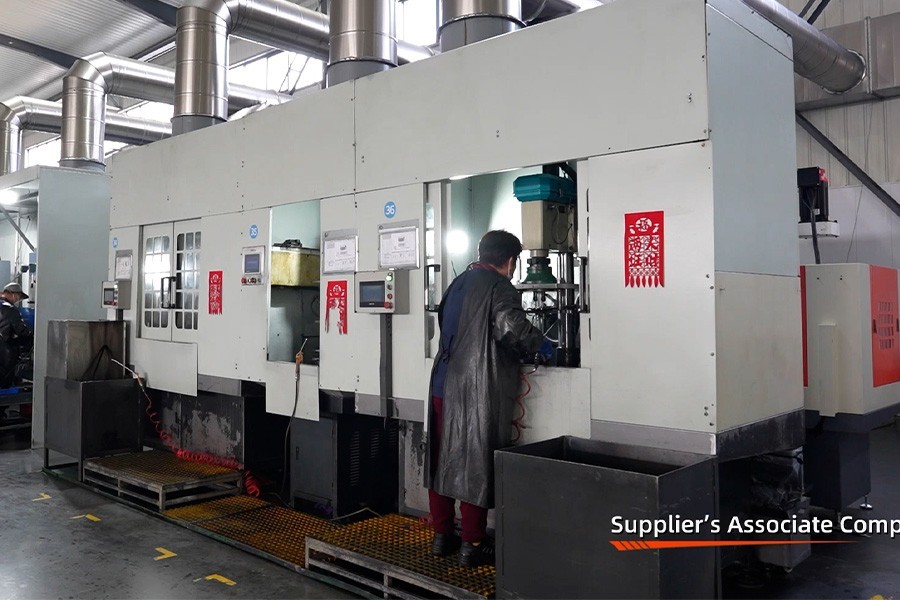
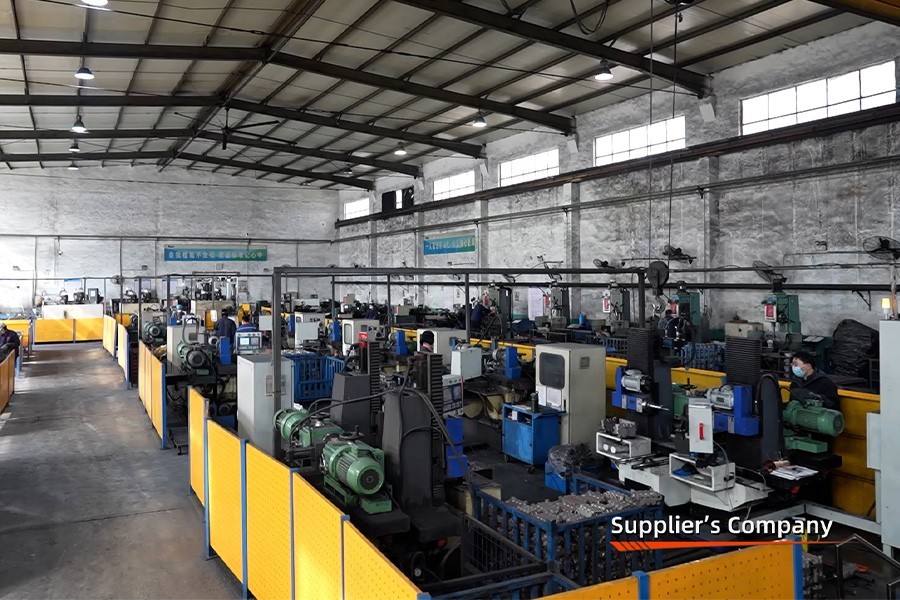
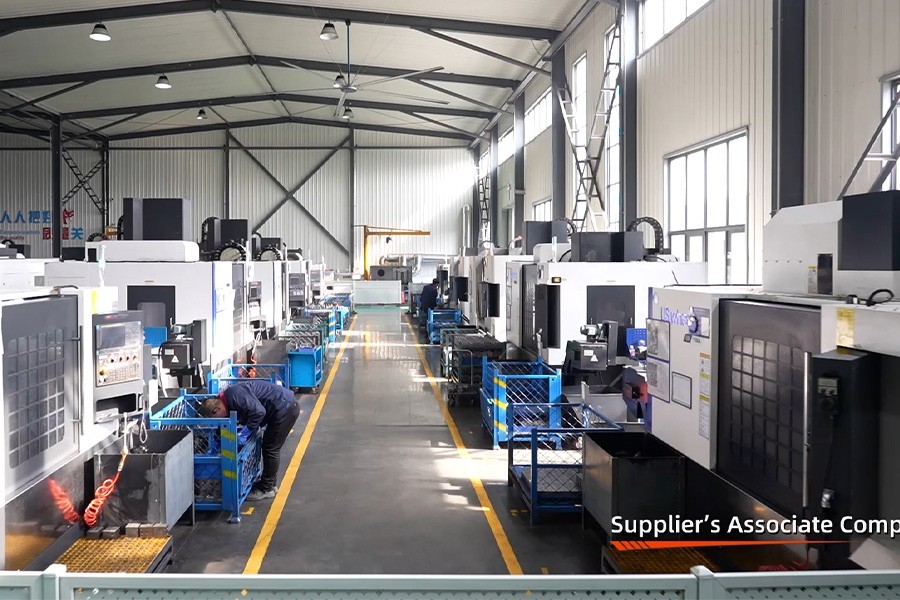
Tại Boxinhuasheng Glass Technology Co., Ltd., chúng tôi đã theo dõi và dẫn dắt những tiến bộ sản xuất trong hơn 25 năm qua. Hoạt động từ khuôn viên sản xuất rộng 68.000 m2 của chúng tôi tại Thanh Châu, Trung Quốc, Boxinhuasheng vận hành 4 nhà máy sản xuất hiện đại được trang bị hơn 260 máy CNC, hơn 30 dây chuyền lắp ráp và hơn 30 băng ghế thử nghiệm tự động. Được hỗ trợ bởi 35 kỹ sư thủy lực cao cấp và được chứng nhận theo tiêu chuẩn kiểm toán IATF 16949 và SGS, công suất hàng năm là 1,5 triệu thiết bị của chúng tôi phục vụ các nhà chế tạo thiết bị trên hơn 80 quốc gia.
Bài viết này phân tích bốn xu hướng vĩ mô chính đang định hình lại hoạt động sản xuất linh kiện thủy lực toàn cầu và vạch ra các chiến lược để OEM tận dụng những thay đổi này.
Xu hướng vĩ mô 1: Chuyển đổi sang tích hợp điện-thủy lực và điều khiển CAN-Bus
Sự tích hợp của thiết bị điện tử với năng lượng chất lỏng thể hiện sự thay đổi công nghệ nổi bật nhất trong quá trình phát triển máy móc di động.
┌──────────────────────────── ────────────────────────────┐
                  │ PHÁT TRIỂN HỆ THỐNG ĐIỀU KHIỂN THỦY LỰC DI ĐỘNG │
                  └───────────────────────────┬ ────────────────────────────┘
                                              │
Đòn bẩy cơ học trực tiếp ── ► Điều khiển thí điểm thủy lực ── ► Van CAN-Bus tỷ lệ điện- Kiểm soát ống kỹ thuật số: Truyền động đòn bẩy thủ công truyền thống ngày càng được thay thế bằng các cuộn dây điện tỷ lệ điều chế độ rộng xung 12V/24V (PWM) được tích hợp trực tiếp trên các nắp đầu van.
- Giao diện vi điều khiển CAN-Bus: Van điều khiển hướng giao tiếp với bộ điều khiển trung tâm của xe (giao thức CAN-bus J1939), cho phép cân bằng cần cẩu tự động, tối ưu hóa cảm biến tải và chẩn đoán viễn thông từ xa.
- Cải tiến công thái học của người vận hành: Cần điều khiển điện tử làm giảm sự mệt mỏi của người vận hành vật lý đồng thời cho phép định vị vi mô chính xác trên cần cẩu di động, máy xúc và máy gặt nông nghiệp.
Xu hướng vĩ mô 2: Nhu cầu về ống góp áp suất cao nhỏ gọn và vật đúc nhẹ
Khi các nhà sản xuất thiết bị di động cố gắng giảm trọng lượng của xe và cải thiện khả năng tiết kiệm nhiên liệu của động cơ, các thành phần năng lượng chất lỏng phải cung cấp mật độ năng lượng cao hơn ($kW/kg$) trong phạm vi lắp đặt vật lý nhỏ hơn.
+--------------------------------------------------------------------------------------- +
|                  MẬT ĐỘ ĐIỆN & PHÁT TRIỂN VẬT LIỆU |
+--------------------------+-----------------------+----------------------+
| Số liệu kỹ thuật | Thiết Kế Truyền Thống | Xu hướng hiện đại |
+--------------------------+-----------------------+----------------------+
| Giới hạn áp suất làm việc | 16 - 21 MPa (160-210b)| 31,5 - 45 MPa (315b+) |
| Luyện kim đúc | Sắt xám (HT200) | Sắt dẻo (QT500) |
| Dấu chân vật lý | Đa dạng xếp chồng cồng kềnh| Monoblock nhỏ gọn |
| Hoàn thiện bề mặt | Mài giũa thông thường | Kim cương siêu micron |
|                          |                       | Mài giũa lỗ khoan (Ra<0,2) |
+--------------------------+-----------------------+----------------------+- Đúc sắt dẻo có độ bền kéo cao: Việc chuyển đổi từ sắt xám sang sắt dẻo cao cấp (QT500-7) cho phép giảm độ dày thành thân van đồng thời tăng giới hạn áp suất làm việc lên tới 31,5 MPa (315 bar).
- Chức năng van tích hợp: Van một khối và van phân đoạn hiện đại kết hợp các chức năng giảm áp suất chính, giảm cổng, chống tạo bọt và kiểm tra tải trực tiếp vào vỏ chính, loại bỏ đường ống dẫn nước bên ngoài.
Xu hướng vĩ mô 3: Tính bền vững về môi trường, Hiệu suất chất lỏng và Tiêu chuẩn không rò rỉ
Các quy định về môi trường trên khắp Bắc Mỹ, Châu Âu và Châu Á-Thái Bình Dương bắt buộc phải giảm lượng khí thải nhà kính và không rò rỉ chất lỏng trong môi trường nông nghiệp và lâm nghiệp.
- Giảm thiểu sự sụt giảm áp suất ký sinh ($\Delta P$): Tối ưu hóa động lực học chất lỏng của bộ sưu tập van bên trong giúp giảm ma sát cắt của chất lỏng, giảm nhiệt độ vận hành của dầu và bảo toàn mã lực động cơ.
- Dung sai ống chỉ rò rỉ bằng không: Dung sai mài giũa lỗ khoan được giữ trong phạm vi 0,002 mm (2 micron) làm giảm đáng kể sự rò rỉ từ ống cuộn đến lỗ khoan bên trong, ngăn ngừa hiện tượng trôi cần và xuống cấp dầu.
- Khả năng tương thích chất lỏng phân hủy sinh học: Phớt thủy lực (FKM / Viton) và xử lý bề mặt bên trong ngày càng được chỉ định cụ thể để chịu được dầu este tổng hợp có khả năng phân hủy sinh học được sử dụng trong máy móc lâm nghiệp và hàng hải.
Xu hướng vĩ mô 4: Đa dạng hóa chuỗi cung ứng toàn cầu và năng lực của nhà cung cấp
Sự gián đoạn hậu cần toàn cầu gần đây và những thay đổi địa chính trị đã buộc các OEM thiết bị phải đánh giá lại các chiến lược tìm nguồn cung ứng trong một khu vực và các trung gian thương mại chưa được xác minh.
┌──────────────────────────── ────────────────────────────┐
                  │ NHIỆM VỤ CHẤT LƯỢNG NHÀ CUNG CẤP TOÀN CẦU OEM │
                  └───────────────────────────┬ ────────────────────────────┘
                                              │
         ┌────────────────────── ────────┬─────┴───────── ───────────────┬─────── ───────────────────────┐
         ▼ ▼ ▼ ▼
┌──────────────────┐ ┌──────────────────┐ ┌──────────────────┐ ┌──────────────────┐
│ Đã được xác minh nội bộ│ │ Chất lượng ô tô│ │ Công suất có thể mở rộng│ │ Toàn quốc│
│ Sản xuất │ │ (IATF 16949) │ │ An ninh (1,5 triệu) │ │ Hậu cần xuất khẩu │
└──────────────────┘ └──────────────────┘ └──────────────────┘ └──────────────────┘
Các nhà chế tạo thiết bị đang thiết lập quan hệ đối tác lâu dài với các doanh nghiệp sản xuất có uy tín sở hữu hỗ trợ tài sản vật chất, chứng nhận chất lượng cấp ô tô (IATF 16949), xác minh nhà máy của bên thứ ba của SGS và năng lực sản xuất hàng năm cao (Boxinhuasheng sản xuất 1,5 triệu chiếc mỗi năm).
Danh sách kiểm tra của người mua: Chiến lược tìm nguồn cung ứng phù hợp với xu hướng toàn cầu
Để duy trì tính cạnh tranh trong thập kỷ tới, các giám đốc mua sắm máy móc nên đánh giá các đối tác linh kiện thủy lực tiềm năng dựa trên bốn tiêu chí:
- [ ]Dòng sản phẩm điện thủy lực: Nhà sản xuất có cung cấp các tùy chọn van tỷ lệ điện tương thích với điều khiển PLC và CAN-bus không?
- [ ]Độ chính xác gia công dưới Micron: Lỗ van có được hoàn thiện bằng cách mài kim cương thẳng đứng để giữ được dung sai 2 micron không?
- [ ]Kiểm tra cuối dòng 100%: Nhà cung cấp có thực thi 100% thử nghiệm mô phỏng khối lượng công việc trên tất cả các đơn vị sản xuất (Boxinhuasheng thử nghiệm 100% trên hơn 30 băng ghế) không?
- [ ]Xác minh nhà máy của SGS: Cơ sở sản xuất có được SGS kiểm tra tại chỗ, xác nhận quy mô cơ sở và số lượng máy không?
Phần kết luận
Ngành công nghiệp sản xuất linh kiện thủy lực toàn cầu đang hướng tới tích hợp điện-thủy lực, ống góp áp suất cao nhỏ gọn, dung sai không rò rỉ và quan hệ đối tác chuỗi cung ứng linh hoạt. Các OEM thiết bị hợp tác với các doanh nghiệp sản xuất đã được kiểm chứng, có công nghệ tiên tiến, tự khẳng định vị thế của mình để chế tạo máy móc hiệu quả, đáng tin cậy và cạnh tranh thị trường hơn.
Công ty TNHH Công nghệ Thủy lực Boxinhuasheng kết hợp hơn 25 năm chuyên môn sản xuất thủy lực, 35 kỹ sư cao cấp, công suất hàng năm 1,5 triệu chiếc, chứng nhận chất lượng IATF 16949 và xác minh nhà máy của SGS để dẫn đầu các tiêu chuẩn sản xuất toàn cầu.
Để thảo luận về việc phát triển van điện-thủy lực, yêu cầu báo cáo kỹ thuật hoặc nhận báo giá khối lượng OEM, hãy truy cậpwww.chinesehydraulic.com.